Move Your Fresh Produce On Time, Every Time

ColdChain Transfer: ideas and inspiration for your home — serving Santiago, Santiago Metropolitan Region, Chile.

Get Started
index visual 1

What We Move & Where

Clear boundaries for cargo types, weight limits, and service geography.
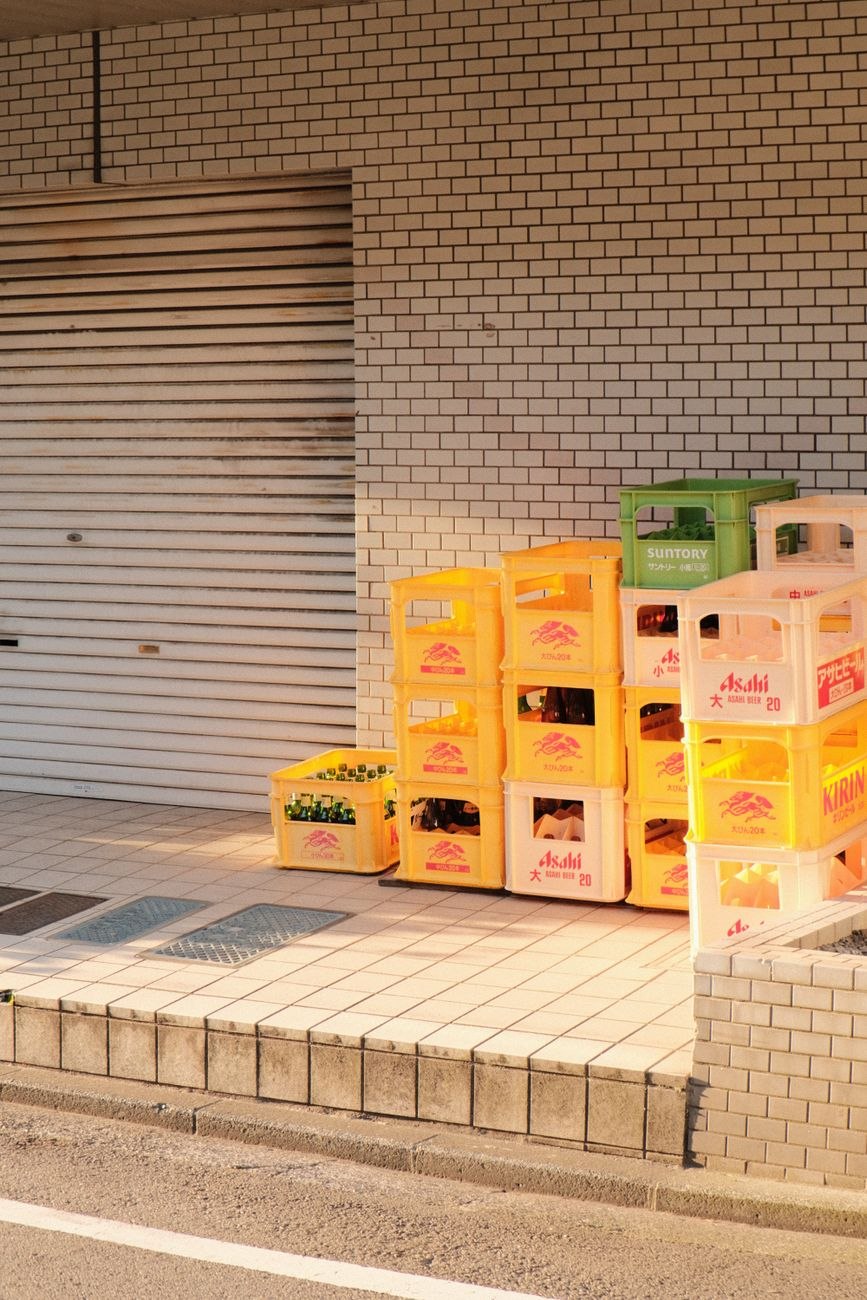
Insulated crates prepared for cold-chain transfer

Included Cargo Categories

  • Fresh produce (vegetables, fruits, leafy greens)
  • Dairy products (milk, cheese, yogurt, butter)
  • Prepared foods and ready-to-eat meals
  • Frozen items and ice cream
  • Specialty perishables (herbs, flowers, mushrooms)

Weight & Volume: Up to 1,500 kg per shipment; standard insulated crates or custom pallets accepted.

Service Area: Santiago and surrounding metropolitan region. Single-city routes optimized for fast turnaround.

Excluded Items: Hazardous materials, non-perishable goods, oversized freight, and items requiring specialized certifications beyond standard food safety.

Pickup to Delivery: How It Works

Five-step process designed for speed and food safety.
1
Request
2
Staging
3
Loading
4
Transit
5
Delivery
Loading bay with temperature monitoring equipment

Each Step Explained

Request: Submit your shipment details—origin, destination, cargo type, and preferred pickup window. We confirm availability within 2 hours.

Staging: Your goods are inspected, weighed, and prepared in our climate-controlled holding area. Temperature and humidity are logged.

Loading: Cargo is carefully arranged in insulated containers with ice packs or gel. Chain-of-custody documentation is initiated.

Transit: Our refrigerated vehicles maintain 2–8°C (or frozen as needed). Real-time monitoring ensures no temperature excursions.

Delivery: Recipient signs off on condition and temperature records. Proof of delivery is transmitted within 30 minutes.

Packing Readiness & Handling FAQs

Essential guidance to prepare your shipment and avoid delays.
Properly packed insulated crate with temperature monitoring

Preparation Tips & Common Questions

How should I prepare my containers?
Use sturdy, food-grade insulated boxes or plastic crates. Ensure lids seal tightly and there are no cracks or damage. Clean containers thoroughly before packing.
What about weight distribution?
Place heavier items at the bottom and lighter goods on top. Avoid stacking beyond safe limits. Leave a small gap for air circulation around ice packs.
Do I need to label my shipment?
Yes. Include shipper name, destination address, product type, and any special handling notes on all four sides of the container in waterproof ink.
What documentation is required?
Provide an itemized packing list, recipient contact details, and any food safety certifications (if applicable). We handle temperature logs and chain-of-custody forms.
What happens if power fails in transit?
Our vehicles have redundant cooling systems and backup batteries. In rare cases, we reroute to the nearest depot. Insulation keeps cargo safe for 4+ hours without active cooling.
Are there hold-time limits?
Standard hold is 24 hours from staging. Extended storage available at our climate-controlled hub (additional fees apply). Always confirm timing with our dispatch team.
What temperature range do you maintain?
Standard chilled: 2–8°C. Frozen: −18°C or below. Ambient hold: 15–20°C (for items not requiring refrigeration). Custom ranges available on request.
What if my delivery is delayed?
We notify you immediately. Our team works to minimize delays, and we document any temperature excursions. Your satisfaction and product safety are our priority.

Ready to Move Your Produce?

Tell us about your shipment needs and we'll get back to you within 24 hours.

Thank you! We've received your inquiry and will contact you within 24 hours.